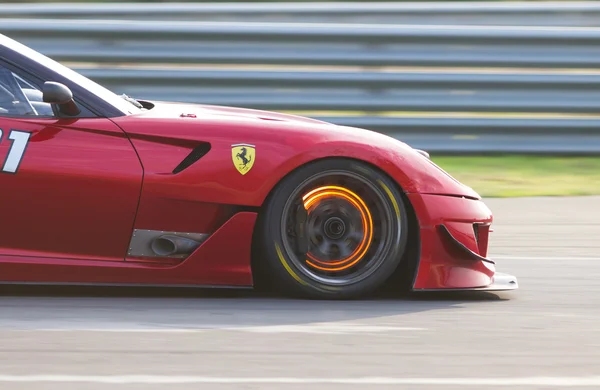
Picture yourself going down a long, steep hill or taking sharp turns on a race track. Each time you hit the brakes, the system turns motion into a lot of heat. If that heat builds up too fast, brakes can fade. The pedal gets spongy, and the car takes longer to stop. Good pads and rotors help, but the wheel plays a big part in keeping things cool. At Vesteon, we spend years building wheels that not only look sharp but also work hard to move heat away from the brakes.
The Science of Heat: Why Your Wheel Choice Dictates Brake Performance
Understanding Brake Fade and Thermal Kinetic Energy
Braking creates heat from friction. Rotors can get hotter than 500°C on hard stops. When air sits still around the brakes, heat stays trapped. This can boil brake fluid or glaze pads. Cooling needs fresh air to push hot air out and pull cool air in.
The Wheel as a Primary Heat Sink
The wheel sits closest to the rotor among the big metal parts. It takes in heat from calipers and rotors. At Vesteon, we bring in top machines from Germany to make wheels that handle high heat well. Good wheels move heat through the hub and let air flow over spokes to carry it away.
Many drivers on tracks see rotors glow red after laps. Open wheels let air hit the brakes more, keeping temperatures lower over time.
Material Thermal Conductivity: The Advantage of Vesteon Alloy Compositions
Aluminum Alloy vs. Traditional Steel: A Heat Dissipation Comparison
Material makes a big difference in moving heat. Steel wheels last long but do not conduct heat quickly. They hold warmth near the hub. Vesteon Casting Alloy Wheels use aluminum alloys that move heat much faster. The wheel pulls warmth from the rotor like a big heat sink.
How Vesteon’s Refined Casting Process Enhances Thermal Flow
We follow “Quality oriented and Customer focused” in our work. Our Spinning Casting process gives even density, better than the old gravity methods. No trapped air bubbles block heat flow. The metal grains line up smoothly, letting heat travel from the hot center to cooler edges fast.
In heavy use, like towing trailers, aluminum wheels stay cooler at the hub than steel ones. Drivers notice less fade on long downhill runs.
Spoke Geometry and Airflow Dynamics
Maximizing Open Areas: The Impact of Spoke Count and Width
Spoke shape affects air movement the most. More space between spokes means better air pass-through. Too few spokes weaken the wheel, though. Vesteon teams use Finite Element Analysis to get the right mix. Our Casting Alloy Wheel lineup has big openings. Hot air leaves the rotor easily, unlike closed dish styles.
Directional Spoke Designs and the “Turbine Effect.”
Some wheels have curved or slanted spokes. As they turn, these pull air in and push it over calipers like a fan. This turbine action helps a lot in tough jobs, such as heavy-duty trailer work. Vesteon casting wheels often go on trailers to avoid overheating under big loads.
Analyzing Vesteon VT2 and VT5 Series for Optimal Ventilation
The VT2 series, like VT2-6060 and VT2-8045, has split spokes with wide channels. Air flows strongly through them. The VT5 series, such as VT5-1448, uses thin spokes to cut drag yet let lots of air reach rotors. These sell well in aftermarket parts. Drivers feel steady braking on quick road trips.
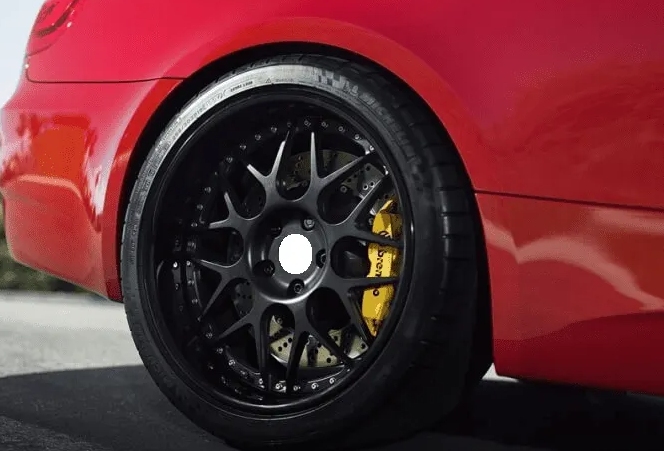
Our wheels look similar to these open 5-spoke styles that let air move freely.

Advanced Manufacturing: Vesteon’s Casting Technology for Thermal Efficiency
The Role of Spinning Casting in Spoke Structural Integrity
We call it Spinning Casting or flow-forming at Vesteon. The wheel spins while pressure shapes the rim. This makes parts stronger and lighter. Spokes get thinner but hold heavy loads. Less material blocks air, so brakes run cooler.
Surface Treatments: Balancing Aesthetics with Heat Radiation
Paint does more than look good. Thick coats can trap heat like a blanket. Vesteon keeps layers thin but tough in Surface Treatment and Paint Spraying. This works on replica wheels and the 4×4 casting series. Protection stays strong, and heat escapes easily.
Rigorous Testing for Extreme Thermal Environments
No wheel leaves without full checks. We run Stress Tests, Impact Tests, and Running Tests. These show how wheels handle quick heat-up and cool down without breaks. Wheels expand and shrink in real use. Our setup meets ISO/9001. Products clear tough checks from American SFI, German TUV, and Japanese VIA.
Choosing the Right Design for Your Vehicle’s Cooling Needs
Matching Wheel Patterns to Driving Style and Load
Pick open spokes if brakes get hot often, like in trucks hauling weight or sports cars pushing hard. The VT2-0175 casting alloy wheel holds up for 4×4 use yet lets air flow on rough trails. For everyday cars, multi-spoke like VT-124 gives nice style with steady cooling.
The Vesteon Commitment: Quality Standards and Performance
Vesteon stands for style that works with safety. Our plants make tyres, alloy wheels, and batteries. The Vesteon Group takes a full view of car parts. We aim to supply reliable goods at fair prices worldwide. Fit Vesteon Casting Alloy Wheels, and you improve looks, plus keep brakes ready under tough conditions.
FAQ
Q: Why does wheel material matter for brake cooling?
A: Vesteon’s aluminum alloy wheels have higher thermal conductivity than steel, allowing them to draw heat away from brakes faster.
Q: What is the benefit of “Spinning Casting” in Vesteon wheels?
A: This process creates thinner, stronger spokes that allow for more open area and better airflow to the braking system.
Q: Do Vesteon wheels meet international safety standards?
A: Yes, our wheels pass evaluations for American SFI, German TUV, and Japanese VIA standards.
Q: Which Vesteon series is best for maximum ventilation?
A: The VT2 and VT5 series are specifically designed with geometries that maximize open areas for cooling.
Q: Does the paint on the wheel affect heat?
A: Yes, Vesteon uses optimized surface treatments that provide protection without acting as a thermal insulator.
