Introduction to Alloy Wheels
Why Wheel Choice Matters
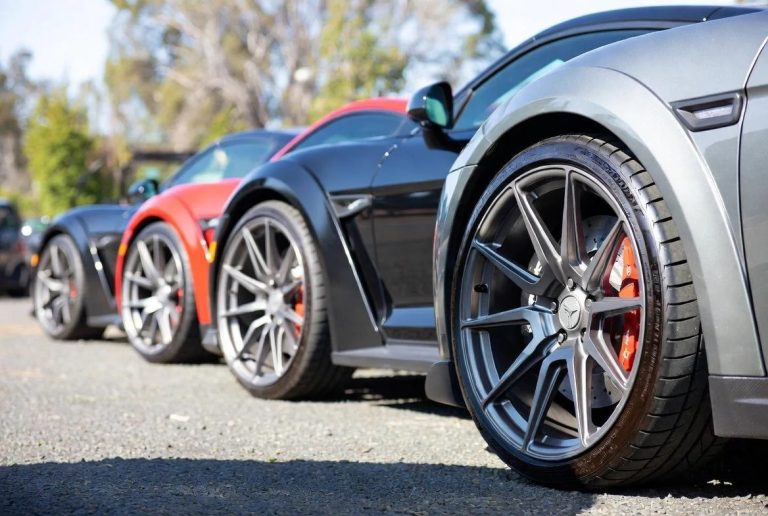
Picking the correct wheels affects how a car performs, stays safe, and uses fuel. The build material changes not just the look but also the starting speed, cornering, stopping power, and even gas mileage. Steel and aluminum mixes stand as common choices today. Alloy wheels, though, have gained favor for their lower weight and wider style options.
Alloy wheels bring clear benefits over steel in terms of mass and shape variety. They suit both speed improvements and visual changes. At Vesteon, the focus lies on casting alloy wheels and forged alloy wheel types to fit varied buyer wishes.
Overview of Casting and Forging
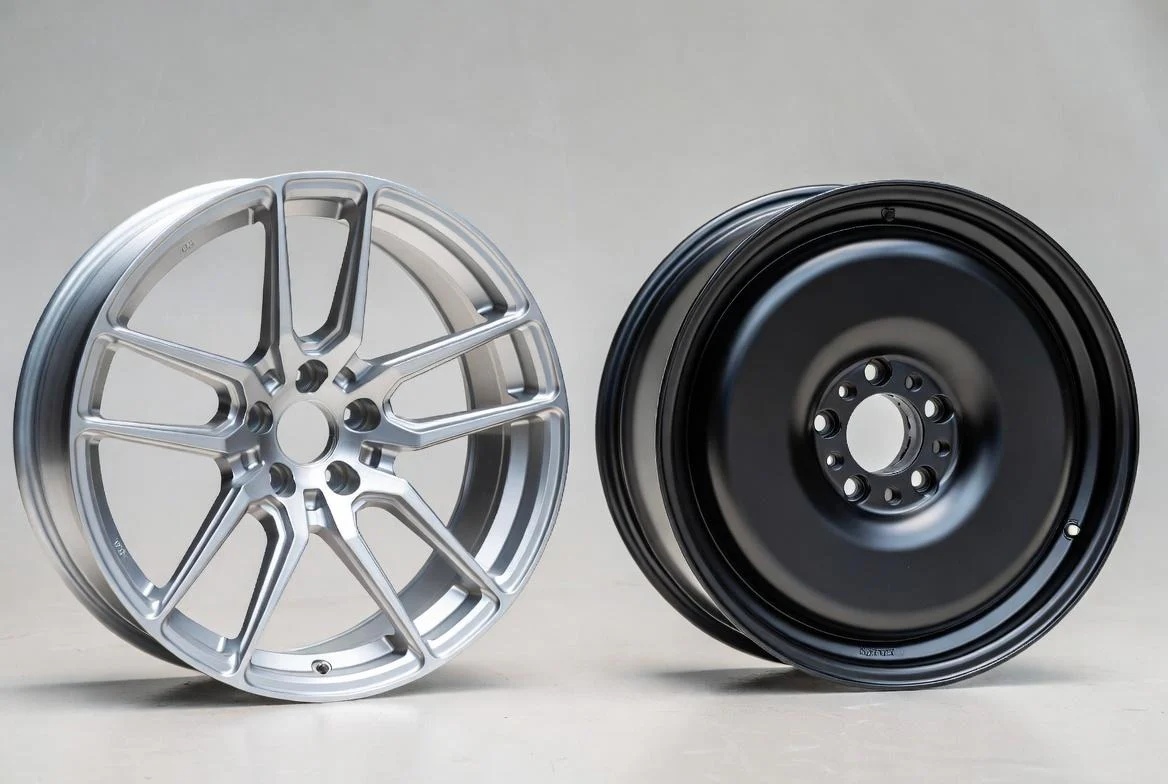
The way wheels are made shapes their toughness, mass, and lasting power greatly. Casting pours melted aluminum into forms, opening room for detailed patterns at reduced expense. Forging applies heavy force to solid aluminum blocks, creating tighter, firmer pieces.
What Are Casting Alloy Wheels
How Casting Works
Casting starts with liquid aluminum filled into ready molds, then cooled to set the form. This approach permits fancy shapes and pattern freedom. Methods inside casting include gravity pouring and low-pressure filling.
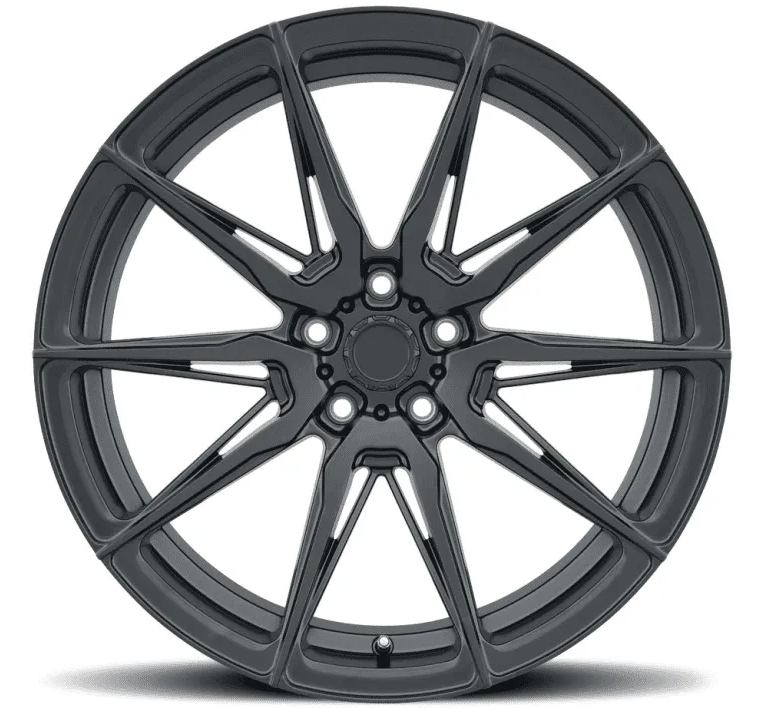
Vesteon supplies many casting alloy wheels in distinct patterns and coatings. Popular picks cover Vesteon VT-001, VT-002, VT-003, and VT-004 wheels, built with careful accuracy for different style tastes.
Advantages of Cast Wheels
Cast wheels cost less to make and allow for bold, detailed looks more easily. They fit buyers who watch spending who still seek personal touches for their rides.
Limitations of Cast Wheels
Even with lower prices, cast wheels can hold tiny air bubbles from cooling. These spots weaken the build. The wheels also carry more weight, hurting steering feel and quick starts—effects felt clearly in sporty or rough-road use.
What Are Forged Alloy Wheels
How Forging Works
Forged wheels form under strong pressure on solid aluminum pieces until they match the wheel shape. The force packs the metal and lines up its inner structure for much greater strength.
Vesteon carries several forged choices like VT-005 Custom Forged Monoblock Concave Wheel, VT-006 Custom Forged Monoblock Multi-Spoke Concave Wheel, and VT-008 Multi-Spoke 2-Piece Forged Wheel.

Benefits of Forged Wheels
Forged wheels show better strength for their mass compared to cast types. They hold up longer and manage heavy loads without breaking or bending.
Why Vesteon Uses Forging Technology
Vesteon forged wheels aim at speed and safety. Careful making steps meet tough checks from bodies like TUV, VIA, and SFI. The quality setup includes over 50 testing tools, from X-ray machines to impact stands.
Comparing Strength and Durability
Structural Integrity Differences
Forged wheels fight cracks and shape loss far better than cast ones. The aligned metal grains from forging add reliable toughness under load.
Impact Resistance in Real Use
On bumpy roads or fast drives, forged wheels prove tougher. Hitting holes or cornering hard on tracks, pieces like the VT-013 Custom Deep Dish Multi-Spoke Forged Wheels deliver stronger staying power.
Comparing Weight and Performance
Weight Differences Explained
Forged alloy wheels weigh less since the metal packs more tightly. Lower mass cuts turning weight, bringing clear driving gains.
Effects on Driving Dynamics
Lighter forged wheels speed up starts and stops. They ease the work on suspension parts and help fuel use. Reduced turning mass aids overall motion.
Applications in High-Performance Vehicles
Use in Motorsports and Racing Cars
Racing teams often pick forged alloy wheels for their strong yet light build. Vesteon items, such as the VT-015 Custom Deep Dish 2-Piece 5-Spoke Forged Wheel suit speed needs.
Benefits for Daily Driving Cars
Forged wheels serve more than tracks. They bring lasting strength, sharper control, and added safety for regular roads, too. Vesteon forged alloy wheels fit everyday drivers seeking a better feel and protection.
Choosing the Right Vesteon Wheel for You
When Cast Wheels Make Sense
For cheaper updates with standout looks, casting alloy wheels like the VT-001 or VT-002 work well. They suit drivers minding budgets with normal speed wants, offering solid value without dropping basic build.
When to Choose Forged Wheels from Vesteon
For top strength, low weight, and strong performance—in racing or daily trips—forged lines such as the VT-017 Forged Deep Dish 2-Piece 5-Spoke Wheel or VT-018 Forged Deep Dish 3-Piece 5-Spoke Polished Wheel stand out. They match fans placing speed, safety, and lasting power first.
Conclusion
Vesteon stays dedicated to quality items matched to driving styles. “Quality oriented, Customer focused, International market driven” guides the work, aiming to deliver top goods, help, and value to buyers worldwide.
FAQ
Q: What’s the main difference between a casting alloy wheel and a forged alloy wheel?
A: The main difference lies in the manufacturing process. Cast wheels are made by pouring molten metal into molds, while forged wheels are formed by compressing solid metal under high pressure. This makes forged wheels stronger and lighter.
Q: Are Vesteon forged alloy wheels worth the higher price?
A: Yes. Vesteon forged wheels offer better strength, reduced weight, improved driving dynamics, and longer lifespan compared to cast wheels.
Q: Do forged alloy wheels improve fuel efficiency?
A: Yes. Because they are lighter, forged alloy wheels reduce the rotational mass of the vehicle, which can lead to improved fuel economy.
Q: Can I use forged alloy wheels on my daily car?
A: Absolutely. While often used in motorsports, Vesteon’s forged alloy wheels are also perfect for daily drivers who want better performance and safety.
Q: Are cast alloy wheels safe?
A: Yes, cast alloy wheels from reputable brands like Vesteon meet safety standards. However, they may not perform as well as forged ones under extreme conditions.