
For any fleet manager or automotive procurement officer, fuel remains the single largest controllable expense. As a veteran in the global wheel manufacturing industry, Vesteon has observed a recurring trend: companies spend millions on engine efficiency while ignoring the heavy steel components rolling beneath their vehicles. The secret to unlocking significant fuel savings isn’t just in the fuel tank—it’s in the wheels.
The science behind this involves “Unsprung Weight,” a critical factor that dictates how much energy a vehicle consumes just to move its own components. By upgrading to lightweight rims, you aren’t just changing the look; you are optimizing the fundamental physics of your fleet’s operation.
Understanding the Mechanics of Unsprung Weight
Lightening the wheels does more than reduce the overall load on a truck. It shifts the way that mass behaves and connects with the surface below.
The Physics of Rotational Inertia
Wheels function as turning weights. Physics principles make it clear that heavy items require much greater effort to begin spinning, halt, or keep rotating compared to lighter versions. Think about everyday city routes with lots of starts and stops, or tough logistics paths under load—heavy steel rims pull steadily on the motor’s output. When you change to alloy wheels that weigh less, the turning resistance drops. That means the engine needs to put in fewer efforts to reach the same pace, which cuts fuel draw directly.
Enhancing Suspension Response and Efficiency
The unsprung weight influences suspension performance over rough spots. Consider a Vesteon Forged Alloy Wheel, which carries less heft—it helps the system respond faster to uneven pavement. This setup avoids power waste, the sort that happens when the motor fights against friction from tires slipping off full contact. Logistics firms in B2B settings gain from even rides. They also face less damage to drive elements over time.
Vesteon’s Lightweight Solutions: Engineering for Fuel Economy
Vesteon stands as a leading wheel manufacturer. The company targets the blend of firm structure and trimmed mass to supply capable products for markets around the world.

The Advantage of Forged Aluminum Technology
Our top forged wheels represent the best in shedding pounds. Forging sets itself apart from regular casting by pressing the aluminum grains close together. The result is a rim that proves much tougher and weighs 20-30% less than standard cast options.
- Feature: High-density 6061-T6 aluminum alloy.
- B2B Benefit: Lower curb weight leads to increased payload capacity for commercial trailers, optimizing every transport mission.
Advanced Flow Forming and Casting Processes
Customers looking for a mix of low cost and good results can choose Vesteon’s Flow Forming method. It pulls the rim section wide under strong force, reaching slim builds and durability like forged types, but at casting expenses.
- Precision Engineering: We utilize CNC-controlled milling to remove every unnecessary gram of metal without compromising VIA or TUV standards.
- Customization: As an OEM/ODM supplier, we can adjust wheel offsets and widths to ensure perfect fitment, reducing aerodynamic drag at high speeds.
Proven Fuel Savings: Efficiency Benchmarks Across Diverse Logistics Scales
Concepts hold worth, yet the business world judges output by actual fuel figures, like liters per 100 kilometers. Real operations show how these changes play out in daily hauls.
Optimizing Last-Mile Delivery Fleets
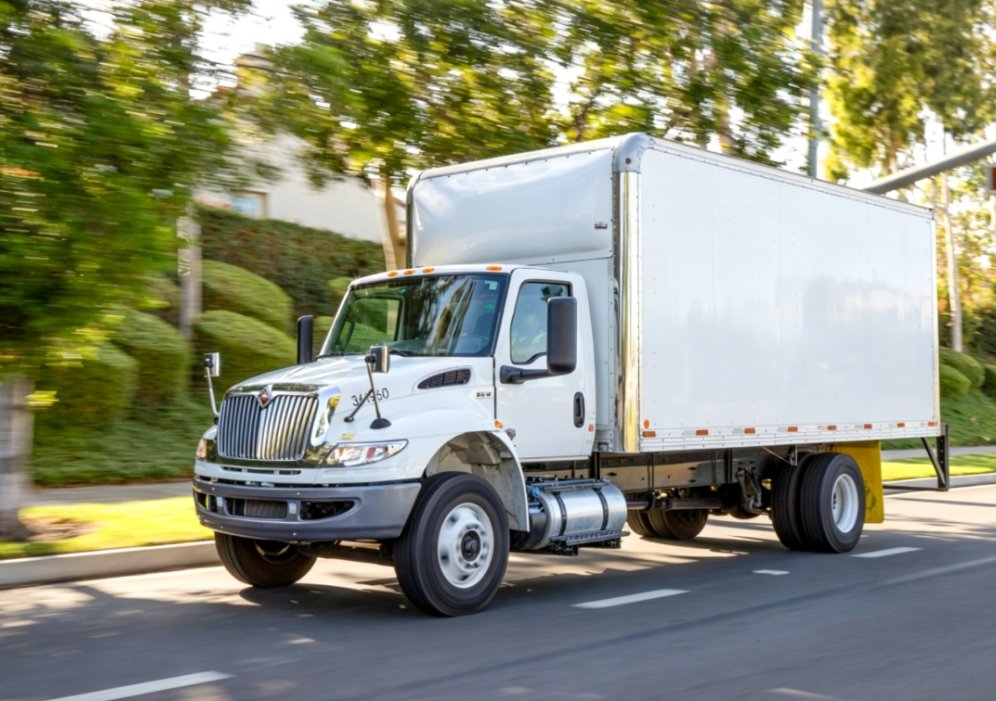
Urban delivery work keeps vehicles in endless loops of slowing down and speeding up. Bulky wheels add extra strain in every speedup moment. When a fleet adopts Vesteon’s lighter alloy rims, fuel expenses fall by a noticeable 3% to 5% each year. Companies handling hundreds of units typically see the payback from the rim change in just the opening 12-18 months. Such shifts build on years of fleet tracking data, where small weight cuts yield steady savings amid tight schedules and city traffic patterns.
Enhancing Long-Haul Trailer Efficiency
Heavy trucks and trailers suffer from added weight that harms mileage. Vesteon’s trailer-specific steel and alloy wheels handle harsh demands while keeping overall bulk down.
- Scenario: A long-haul trailer equipped with 12-14 wheels.
- Impact: By reducing the weight of each wheel by 5kg through our lightweight forging service, a trailer can shed nearly 70kg of unsprung mass. This allows the engine to maintain cruising speeds at lower RPMs, particularly during uphill climbs, effectively solving the problem of excessive fuel burn during elevation changes.
Why Vesteon is the Preferred Partner for Global Procurement
Selecting a reliable supplier extends beyond the basic item. It involves the whole production network and quality guidelines.
Quality Assurance and Global Certifications
Vesteon follows a guiding idea of “Quality Oriented and Customer Focused.” Production setups imported from Germany and Taiwan align with ISO/TS management practices. Each rim passes through strict checks, from X-ray views to material breakdowns. These steps confirm that lighter designs remain solid and dependable.
Scalable Manufacturing and B2B Support
We grasp what bulk order buyers and trade distributors require in their operations.
- Annual Capacity: 3 million pieces, ensuring stable lead times for large-scale rollouts.
- In-House R&D: Our team of 700+ staff includes engineers who can provide technical drawings and FEA (Finite Element Analysis) to validate fuel-saving designs before production.
- Wholesale Pricing: We offer competitive pricing structures that enable distributors to provide value-added, fuel-saving solutions to their local markets.

Conclusion: A Strategic Investment in Efficiency
In today’s B2B environment, green goals and expense reductions link closely together. Moving to Vesteon lightweight wheels offers far more than a visual upgrade. It serves as a planned step in engineering to improve vehicle handling and fuel savings. Through lowering unsprung weight, companies address ongoing fuel loss problems. At the same time, they extend how long their vehicles last in service.
Take the Next Step in Fleet Optimization
Are you ready to lower your operational costs? Contact the Vesteon sales team today for a custom quote or to request our latest product catalog. Let’s build a more efficient future together.
FAQ
Q: What is the main difference between cast and forged wheels regarding fuel economy?
A: Forged wheels come in much lighter and tougher forms because of their compact grain pattern. Such a structure permits slimmer shapes that sharply lower unsprung weight, which in turn offers the top level of savings on fuel.
Q: Can lightweight wheels handle the same load capacity as heavier steel wheels?
A: Absolutely. High-grade 6061-T6 aluminum paired with techniques such as forging or flow forming lets these lighter wheels achieve or go beyond the load capacities of standard heavier steel types.
Q: What are the typical lead times for a bulk OEM wheel order?
A: For regular mass production runs, lead times often span 30 to 45 days. The exact duration depends on how intricate the wheel design is and what certifications are needed for different markets.
Q: Are lightweight wheels suitable for off-road or 4×4 industrial applications?
A: Yes. Custom-made forged 4×4 wheels get built to withstand strong hits and pressures, all while keeping a slimmer weight setup that aids fuel use on drives from one location to another.