


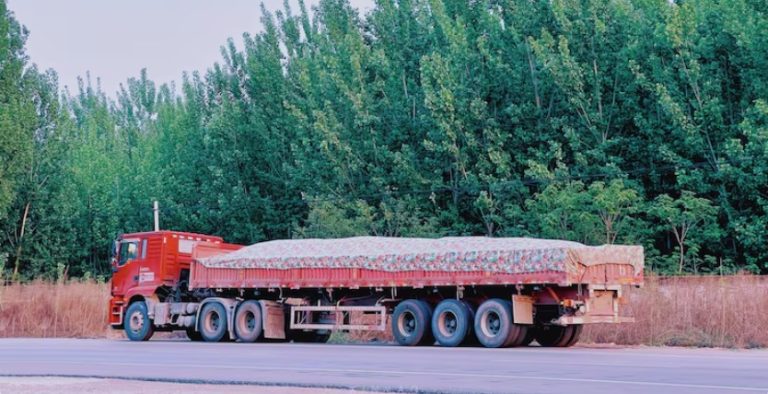
Every kilogram matters in the trucking industry because it determines the amount of cargo a truck can transport. The amount of weight a truck can transport beyond its Gross Vehicle Weight Rating (GVWR) determines the efficiency and profitability of each delivery run. The amount of weight a vehicle can transport legally determines its revenue potential. The process of payload optimization leads to fewer delivery runs, better operational performance, and higher business profits. Fleets that select lightweight alloy wheels can transport additional cargo during each trip while maintaining legal weight limits and achieving better fuel performance.
Understanding Truck Alloy Wheels
What are truck alloy wheels?
The production of truck alloy wheels utilizes aluminum or magnesium alloys instead of standard steel materials. The materials used in these wheels provide both lightweight and high structural strength, which makes them appropriate for heavy-duty freight transportation.
Differences between alloy and steel wheels
Truck alloy wheels are made from aluminum or magnesium alloys rather than traditional steel. These materials combine strength with reduced weight, making them ideal for heavy-duty applications such as freight hauling.
| Feature | Steel Wheels | Alloy Wheels (Aluminum/Magnesium) |
|---|---|---|
| Weight | Heavy, adds to curb weight | Light, reduces unsprung mass |
| Strength | Durable but rigid | Strong yet flexible |
| Fuel Efficiency | Lower due to extra weight | Higher due to lighter weight |
| Cost | Lower upfront | Higher upfront but better ROI |
| Corrosion Resistance | Prone to rust | Naturally resistant |
How Alloy Wheels Reduce Weight
The concept of unsprung mass
The unsprung mass consists of all components that do not receive support from the suspension system, including tires, brakes, and wheels. The reduction of unsprung mass leads to better ride quality and handling performance and improved fuel efficiency. The use of lightweight wheels decreases the stress on suspension components while enhancing the overall vehicle performance.
Vesteon’s Lightweight Alloy Wheels
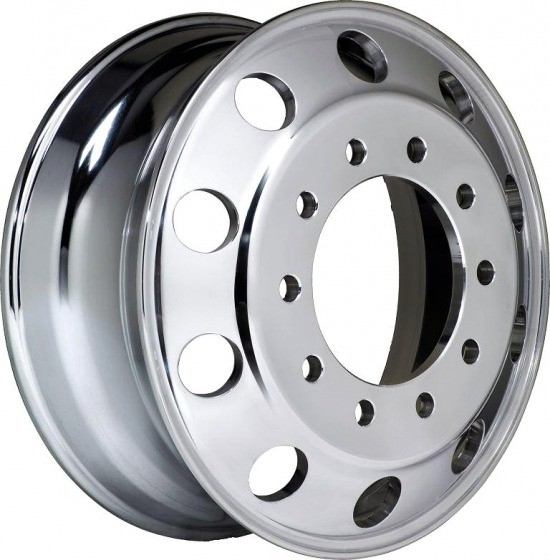
The premium aluminum alloy wheel selection from Vesteon includes both casting models, VT001-Truck Wheel,VT-126, VT-127, VT-128, and forged options, VT- 045, VT- 046. The company uses advanced spinning, casting, and forging techniques to create lightweight wheels that maintain high structural strength.
- The weight of traditional steel truck wheels reaches 40 kilograms per wheel.
- The Vesteon VT- 045 / VT-126 alloy wheels provide a 25–30% weight reduction, which results in a 10-12 kg weight savings per wheel.
The weight reduction across an 18-wheel semi-trailer enables the transport of 180 kg more payload, which results in increased earnings for each delivery.
Impact on Hauling Capacity
More Payload with Less Weight
The reduction of wheel weight enables trucks to transport additional cargo loads that stay under their GVWR restrictions. For example:
The transition from steel to VT-124 alloy wheels in a fleet results in a weight reduction of approximately 8 kilograms for each wheel. The 18-wheel vehicle achieves a total weight reduction of more than 140 kg, which enables the transportation of additional valuable goods worth hundreds of dollars for each delivery.
Legal load limits and compliance advantages
The use of Vesteon truck alloy wheels helps fleets maintain legal axle load limits while maximizing cargo volume, which decreases the risk of overweight penalties during inspections.
Operational Benefits for Truck Owners
- The transportation of more cargo leads to higher earnings for each trip because operators generate more revenue from each kilometer they travel. The increased revenue from more cargo adds up substantially for operators who run long-haul routes because they perform multiple trips each month.
- The weight reduction of vehicles leads to better fuel efficiency because it requires less energy to propel the vehicle. The Truth Behind Wheel Upgrades investigates how our lightweight alloy wheels decrease rolling resistance to deliver better fuel economy, which results in lower fuel expenses for your entire fleet.
- The reduced weight of unsprung components results in better tire and suspension system operation. The result of this is longer component life and reduced maintenance requirements that prevent part replacements and system downtime.
Long-Term Economic Value
Return on Investment (ROI)
The purchase of alloy wheels requires an initial investment above steel wheels, but their extended advantages make them a better value in the long run.
- Fuel savings: Reduced weight improves mileage.
- Higher payload: The ability to carry more weight results in higher earnings from each transportation run.
- Maintenance savings: The extended lifespan of tires and suspension parts leads to decreased maintenance expenses.
Durability and Reliability
The VT- 046 wheel from Vesteon maintains its shape under heavy loads because it does not warp or crack. The natural resistance of aluminum alloys to corrosion, combined with protective surface treatments, makes these wheels last through demanding situations.
Heat Dissipation
The heat conduction properties of alloy wheels surpass those of steel wheels, which leads to better brake cooling during extended driving, repeated braking, and steep downhill driving, thus improving safety and extending brake lifespan.
Choosing the Right Vesteon Alloy Wheel
Available sizes and load ratings
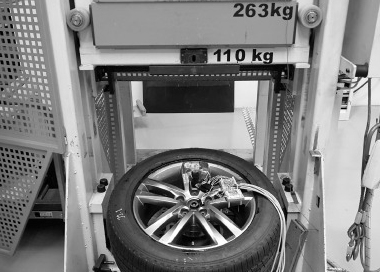
Our manufacturing process allows us to produce wheels in sizes ranging from 10 inches to 30 inches with multiple finish options and design styles. Our wheel selection includes both lightweight models for regional delivery and heavy-duty reinforced options for demanding freight operations.
Compatibility with Truck Models
The integration of Vesteon alloy wheels into existing fleets becomes possible when bolt pattern, diameter, width, and offset measurements match the OEM specifications.
FAQ
Q: What are the main benefits of switching from steel to alloy truck wheels?
A: Switching to alloy wheels reduces curb weight, increases payload capacity, improves fuel efficiency, lowers tire and suspension wear, and provides better long-term ROI compared to steel wheels.
Q: Are Vesteon alloy wheels compatible with all truck models?
A: Yes, as long as the bolt pattern, diameter, width, and offset match your truck’s OEM specifications, Vesteon alloy wheels can be installed seamlessly on your existing fleet.
Q: How much weight can I save with Vesteon alloy wheels?
A: Depending on the model, Vesteon alloy wheels can be 25–30% lighter than traditional steel wheels, saving 8–12 kg per wheel. On an 18-wheel semi-trailer, this can free up over 140–180 kg of additional payload.
Q: Do alloy wheels improve vehicle safety or performance?
A: Yes, alloy wheels reduce unsprung mass, which improves handling, ride quality, and braking performance. They also conduct heat better, helping brakes cool faster during long hauls or steep descents.

