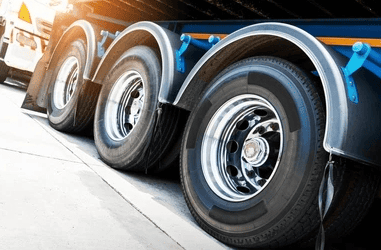
For heavy-duty trailers, wheels are more than just a necessity—they are efficiency, performance, and safety paramount. Wheels carry the full load of the trailer and cargo, endure pressure from working conditions across varied terrain, and pass along horizontal forces on fuel usage. The wrong wheels result in premature wear, structural breakdown, or hazardous driving conditions. Vesteon casting alloy wheels were designed to address these requirements and achieve strength, durability, and long-term reliability with heavy-duty trailer service.
Why Wheel Selection Matters in Heavy-Duty Trailers
Heavy-duty trailers endure harsh usage conditions: long distances, heavy loads, rough road conditions, and varying climates. The most critical challenges are:
- Excessive stress and load: Wheels are required to carry heavy loads without deforming.
- Environmental degradation and corrosion: Water, road salt, and contaminants can favor rust and fatigue.
- Operation in harsh conditions: Wheels have an effect on towing stability, braking, and fuel efficiency.
The right wheel selection makes the trailer safer, lower maintenance, and overall better trailer performance.
Key Advantages of Casting Alloy Wheels
Increased strength for load carrying
Casting alloy wheels lends stringent strength-to-weight ratios. Compared to conventional steel wheels, which are heavy and rigid under stress from loads, alloy wheels cast with modern-day technology are robust enough to be beneficial without adding extra weight.
Greater endurance under stress
Vesteon‘s cast alloy wheels are subjected to stringent treatments like spinning, casting, and stress testing to provide consistent performance when under stressful conditions. This makes them suitable for heavy trailers, which have a need for consistent performance over long distances.
Resistance to corrosion and harsh environments
Each Vesteon wheel receives advanced surface coatings during the manufacturing process to be resistant to corrosion from road salt, water, and severe weather. This is preserved with longer-term structural integrity and appearance.
Casting Alloy Wheels versus Steel Wheels
| Feature | Casting Alloy Wheels | Steel Wheels |
| Weight & Performance | Lighter, improves handling | Heavier, reduces efficiency |
| Maintenance & Lifespan | Durable, low upkeep | Prone to rust, frequent maintenance |
| Fuel Efficiency & Towing | Better towing stability | Less fuel-efficient |
Weight disparities and effects on performance
Alloy wheels are significantly lighter than steel wheels. The weight reduction increases the fuel efficiency of the car and makes it responsive. Reduced unsprung weight produces better acceleration, brake response, and vehicle dynamics.
Comparison of maintenance and lifespan
Steel rims are cheaper in the first stage but need more maintenance due to rusting and warping after some time. Vesteon alloy rims go through air leakage, impact, balancing, and running tests to provide low maintenance with long life service.
Fuel efficiency and towing stability
Alloy wheels also contribute to the reduction of rolling resistance because they weigh less. For long-distance heavy-duty trailer haulage with heavy loads, this implies improved towing stability alongside fuel economy in consumption—last-concern considerations for fleet operators or logistics operators seeking cost-effectiveness.
Technology Behind Vesteon’s Casting Alloy Wheels
Advanced Manufacturing Techniques
Vesteon employs high-quality production machines imported from Germany and supplemented with spinning and casting techniques that stiffen the wheels without adding weight. The technology brings about balanced density throughout the wheel composition.

Premium Materials
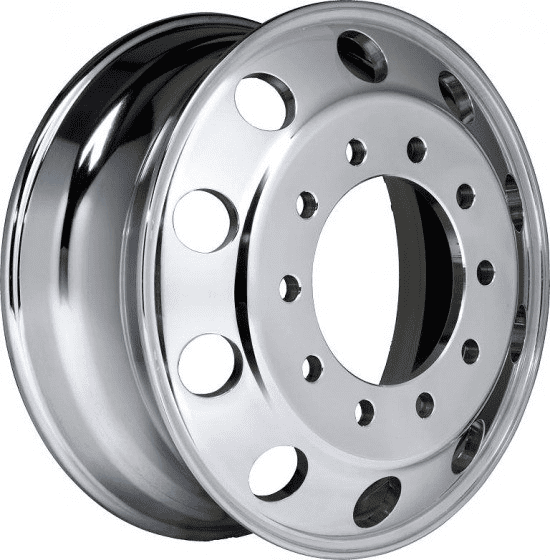
We are able to produce wheels of various sizes, ranging from 10 inches to 30 inches, in various finishes and styles. All the wheels are made up of high-quality aluminum alloys that are specifically produced for heavy-duty industrial applications in heavy-duty trailers.
Strict Quality Control
We have a quality control system with more than 50 defective units of equipment, i.e., X-ray equipment, spectrum equipment, air tightness testers, and impact resistance testers. All such stringent checks ensure that all wheels are of international standards, like American SFI certification, German TUV certification, and Japanese VIA certification.
How Vesteon Wheels Enhance Trailer Safety
Efficient Heat Dissipation
Alloy material is also a better conductor of heat compared to steel. This reduces the risk of overheating during long-braking or long-towing—important to hill-climbing or hot-weather brake performance.
Less Likely to Fail the Wheel
Our products are stringently tested with impact testing simulating road stress conditions being inflicted on heavy-duty trailers. This significantly decreases the likelihood of dramatic on-road wheel failure.
Consistent Performance over Terrains
Whether snow salt residue-lined roads or graven roads, our production is always ISO/TS quality management system certified to give consistent output, no matter the conditions.
Vesteon Alloy Wheels’ Long-Term Value
Low repair cost
As a result of anti-corrosion coating and better finishes offered during the paint spraying period, alloy wheels are more difficult to destroy than steel wheels, reducing the repair cost by a significant proportion in the long run.
Longer lifespan
With rigorous quality testing, including cornering, bending, endurance testers, and dynamic radial load endurance testers, each Vesteon wheel is built to last—regardless of tough use conditions like freight hauling or haulage within construction zones.
Reliable Support & Warranty
We provide a 3-year after-sales warranty, providing a guarantee along with our industry-leading product longevity. If there is any issue due to manufacturing defects, we will provide a discount on the next order or provide a free replacement.
Choosing an Appropriate Vesteon Wheel for Your Trailer
When you decide on a casting alloy wheel, consider:
- Load rating: Wheels must be able to carry the maximum weight.
- Type of terrain: Road or off-road terrain.
- Exposure to climate: Wet, dry, or salty climate.
- Finish preference: Gloss or matte.
- Size compatibility: Bolt pattern (PCD), rim diameter, width, offset (ET), and center bore.
- Certification compliance: VIA, SFI, or TUV-compliant wheels.
- Heavy-Duty Trailers’ Best Selling Models: VT-045, VT-046, VT-047.
Contact: +86-18053202728 / +86-15153206818 | info@vesteonchina.com
FAQ
Q: Is Vesteon casting alloy wheel suitable for all heavy-duty trailers?
A: Yes, Vesteon casting alloy wheels can fit most heavy-duty trailers, provided the bolt pattern, offset, and center bore are your trailer specifications.
Q: How do casting alloy wheels enhance trailer safety?
A: They provide increased load-carrying capacity, enhanced heat transfer, and stress and corrosion resistance, minimizing wheel failure after long hauling.
Q: How much maintenance do Vesteon alloy wheels require?
A: Corrosion is averted by hard anti-corrosion finishes and hard coatings. Occasional inspections are suggested, but never ever necessary for upkeep.
Q: Are Vesteon alloy wheels more fuel efficient than steel wheels?
A: Yes, their lightweight is less rolling resistance, towing is stable and fuel efficient, particularly on long-distance heavy-load trailers.
