

Upgrading your car goes beyond engines and interiors—the wheels you choose play a critical role in performance, durability, and style. Unlike standard steel wheels that rust and degrade over time, white-coated steel wheels combine aesthetic appeal with long-lasting protection. Vesteon leverages advanced powder coating technology to produce a durable finish that withstands harsh weather, road salt, and everyday driving. Understanding the benefits of white coating will help you make a smart investment that pays off for years.
What Is White Coating on Steel Wheels?
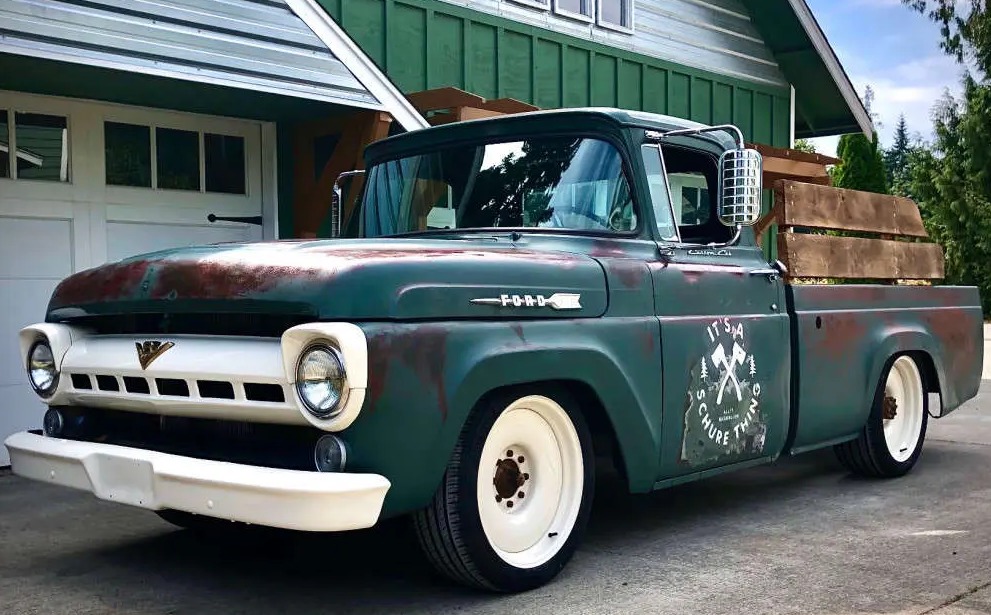
The white coating of steel wheels is just cosmetic in more than one way. It is a protective covering put on the wheel surface to make the wheel last longer, withstand corrosion, and stay clean. Unlike ordinary paint, white coating, particularly in powder coating, creates a hard, wear-resistant finish that protects the steel from weathering.
Composition and Application
The finish is a mixture of curing agents, pigments, and resins. While being applied, powder is electrostatically charged and sprayed on the wheel. The wheel is then subjected to high-temperature baking, such that the powder melts and fuses to form a uniform, continuous layer. This gives a finish that is durable and aesthetically pleasing.
At Vesteon, we’ve optimized this process through the power of high-tech powder coating. Every wheel, ranging from premium designs VT-001, VT-041, and VT-045, is meticulously applied and cured to achieve maximum adhesion, even thickness, and industry-leading corrosion protection. The technique ensures every Vesteon white-coated steel wheel not only appears terrific but also operates consistently in the most demanding applications.
White Coating vs. Traditional Paint
Durability
One of the greatest benefits of white coating over traditional paint is that it can endure wear and tear. Powder-coated wheels resist chipping, scratching, and fading after years of exposure to harsh weather, road dirt, and occasional washing.
Corrosion Resistance
Steel wheels coated with white offer a tough barrier against water, road salt, and chemicals prone to rusting. Vesteon’s coating technology boosts the corrosion resistance of the wheel so that it will last much longer than traditionally painted wheels.
Maintenance
Due to the degree and even surface, white-coated wheels are simpler to clean. The dirt and brake dust don’t stick as well as they do to normal painted wheels, which means less time and effort to maintain. For Vesteon’s white-coated wheels, washing normally with mild soap and water is enough to maintain their new appearance.
Vesteon’s White-Coated Steel Wheel Products
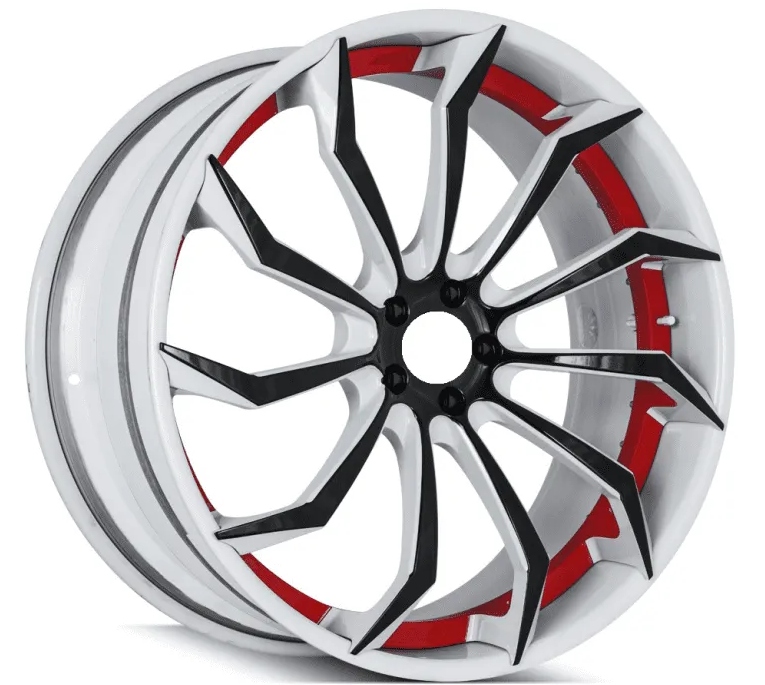
We provide a diverse range of white-coated steel wheels at Vesteon that can fit multiple vehicles and driving conditions. Our wheels strike a perfect balance between fashion and functionality.
Product Features
- VT-001: General-use steel wheel for ordinary commuter cars with improved corrosion resistance and bright and even white coating.
- VT-041: For high-performance vehicles, a combination of light weight with a resilient white coating that is chip and scratch-proof.
- VT-045: With the added strength of reinforced steel and a high-grade powder coating layer for the most durability, it is appropriate for heavy-duty usage.
Each wheel is manufactured to high standards of quality control, including thickness checks of the coating, adhesion, and visual evenness. Vesteon’s commitment to perfection ensures that every wheel meets international standards for both looks and safety.
Why Choose White-Coated Steel Wheels?
Better Durability
White coating offers another level of protection that extends the life of the wheel, reducing the need for constant replacements. This is particularly useful in regions that are often subjected to heavy rain, snow, or road salt exposure.
Aesthetic Appeal
The white appearance instantly gives your car a lift in appearance. If your car is a daily driver or your baby, Vesteon’s white-coated wheels offer a clean, modern appearance that draws attention on the road.
Cost-Effectiveness
While white-coated wheels might be more expensive upfront than uncoated wheels, their durability and lower maintenance make them an economical choice in the long run. Vesteon’s technological coating guarantees your wheels remain protected and look great for years to come, offering actual value for your money.
Myths About White Coating
Myth 1: White Coating Is Just Cosmetic
The majority believe that white coating is merely aesthetic. Actually, the coating provides structural protection, withstanding corrosion and wear. Vesteon’s white-coated steel wheels are built to deliver sophistication and ruggedness.
Myth 2: White-Coated Wheels Are Weak
Powder coating technology nowadays makes the finish highly resistant to scratches, chips, and fading. Vesteon’s wheels remain in pristine condition through regular maintenance, even with rough handling.
Myth 3: Maintenance Is Complicated
Others believe white wheels are difficult to clean. Vesteon white-coated steel wheels are easy, though. A light soap and water wash is all that will maintain their finish in pristine condition.
FAQ
Q: Is white coating similar to paint?
A: No, white coating is usually a powder-coated finish baked on the wheel, providing much greater durability, corrosion resistance, and life than typical paint.
Q: How long will the white coating last on steel wheels?
A: Typically, Vesteon’s white-coated wheels will last a few years in their appearance and protective capacity.
Q: May I white coat my current wheels?
A: You may, but it will be best if left to the experts to achieve the optimum adhesion and smoothness. Vesteon pre-coated wheels will give you the optimum quality and durability.
Q: Is white coating road salt and rust protective?
A: Yes, it’s a moisture barrier, a road salt, and other weather conditions barrier, so it greatly decreases corrosion risk.
Q: How do I clean white-coated steel wheels?
A: Cleaning with mild soap and water is enough. Avoid the use of harsh chemicals or abrasives that could be harmful to the coating.