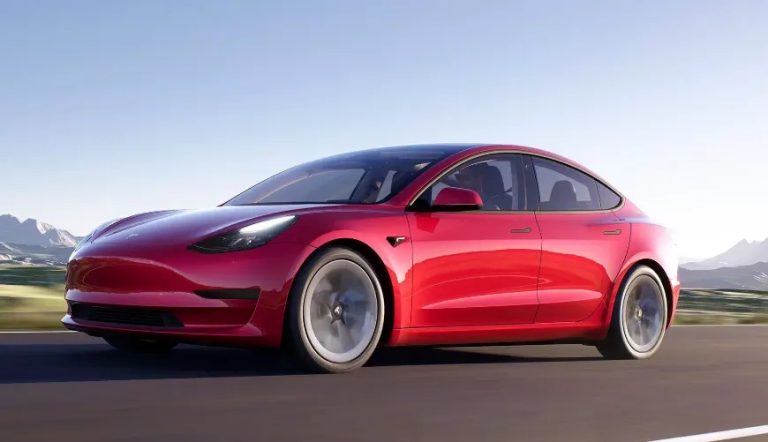
Many Tesla drivers always think about how far they can go on a charge. Tesla’s software leads the field, but the parts, especially the wheels, can limit how well things work. Switching to special light wheels stands out as a top way to boost how far your battery takes you. Vesteon, an expert in making car wheels since 2005, focuses on high-quality wheel options that tackle these EV issues.
The Critical Role of Unsprung Weight in Electric Vehicles
Electric cars weigh a lot more than regular ones because of their batteries. That is why “unsprung weight” matters so much. It refers to the heaviness of items like wheels and tires that the suspension cannot hold up.
Reducing Rotational Inertia for Better Battery Efficiency
Each time your Tesla speeds up, the motor has to push against the wheels’ turning resistance. Factory wheels from casting tend to be hefty. They demand extra power to start moving. If you change to a lighter wheel, you ease the motor’s job. It reaches the same pace with less energy. This drop in spinning mass leads straight to extra distance per charge.
Improving Regenerative Braking Performance
Tesla counts on regenerative braking to send power back to the battery. Bulky wheels carry a strong turning force, and that can make switching from speeding up to slowing down less smooth. Lighter wheels react faster to the motor’s pull. So, the regen setup grabs energy better. It avoids battling the heavy rim’s momentum effect.
Vesteon Forged Solutions: Tailored for the Tesla Ecosystem
Our factory covers over 100,000 square meters. We follow a rule of putting quality first and customers at the center. Vesteon has created certain products for EVs. We supply forged wheels that mix low weight with solid strength.

Monoblock Excellence: The VT-005 and VT-006 Series
Tesla Model 3 and Model Y users often pick the Vesteon VT-005 Custom Forged Monoblock and the VT-006 Multi-Spoke concave wheels as top options. Different from basic casting, our forged monoblocks have a tighter grain setup. It stays much tougher and denser. We can cut away unneeded material because of this. The result is a wheel up to 25% lighter than stock casting ones. Yet, it keeps the needed toughness for weighty EVs.
Custom Specifications: PCD, Offset, and Load Ratings
Exact matching plays a key role in safety and airflow. Vesteon offers full changes to fit Tesla’s needs:
- PCD (Pitch Circle Diameter): It provides an ideal bolt layout for every Tesla type.
- ET (Offset): We adjust the wheel’s spot to line up even with the frame. This cuts down wind drag near the wheel area.
- Load Rating: We build wheels to carry the big mass of Tesla’s battery-filled body.
- Pattern and Painting: Various coats and styles match Tesla’s clean look.
Practical Application: Solving Real-World Range Challenges
More than just specs, Vesteon wheels fix daily troubles for EV users. In city drives or over hills, the benefits of lighter parts show up clearly.
Urban Efficiency: Navigating Stop-and-Go Traffic
City areas mean your Tesla stops and starts all the time. Battery use spikes here due to the repeated push against stillness. When you add Vesteon light wheels, the motor faces less friction at each start. This lowers the highest energy pull from the battery. In turn, it boosts range in town and makes the car feel quicker in jams.
Performance and Safety on Long-Distance Routes
For trips with steep slopes or steady highway runs, extra weight hurts distance. Thicker wheels add to rolling drag. They empty the battery quicker on UPS. Vesteon’s forged wheels lessen this load. Also, our designs aid in handling brake warmth on long downs. Brakes remain cooler and work better. At the same time, the car pulls in energy via regen. These traits suit repair shops and mod places that aim to improve cars for tough journeys.
Built for High Torque: Vesteon’s Quality and Testing Standards
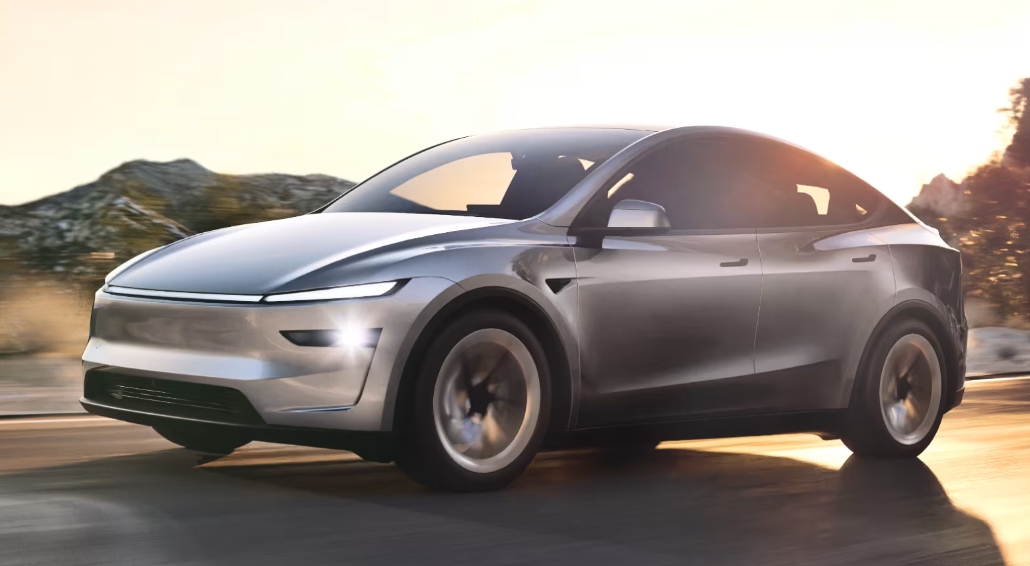
An electric motor’s quick twist puts huge strain on the wheel build. At Vesteon, we make sure light design never cuts into safety. We stick to tight global rules for quality control.
Rigorous Testing for EV Safety
We test every Vesteon wheel fully before it ships. This checks if it meets EV’s special needs. Our checks include:
- Air-Leakage Tests: They confirm the wheel holds tire air without fail.
- Balance and Running Tests: These provide even, shake-free runs at fast road paces.
- Impact and Stress Tests: They prove the wheel stands up to road bumps, even with less weight.
- Dynamic Radial Load Endurance: This examines how the wheel bears an EV battery’s heavy load over time.
Global Certifications and Reliability
Vesteon items have cleared checks from top world standards, like American SFI, German TUV, and Japanese VIA. Such approval lets Tesla drivers feel secure. They know the wheels meet high marks for dependability and function.
Conclusion: Maximizing Every Kilowatt
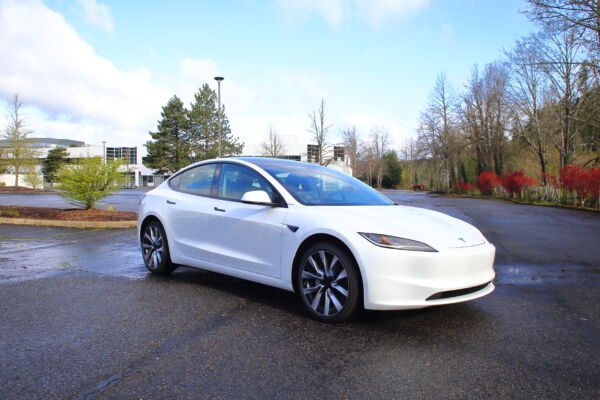
Moving to electric cars means chasing better use of power. Tesla gives the base, but Vesteon adds the part tweaks to make it top-notch. Pick our custom forged monoblock wheels, and you do more than change looks. You put money into something that eases motor work, improves control, and gets more distance from each charge.
Ready to optimize your Tesla’s performance? Look into the Vesteon group of forged wheels right away. Find the right match for your Model 3, Model Y, or Model S. Reach out for a tailored price and expert matching tips to begin a smoother, farther ride.
[Contact Vesteon Today – Enhance Your EV Range]
FAQ
Q: Does wheel weight really make a difference in EV battery range?
A: Yes. Lighter wheels cut turning resistance. The motor then spends less power to get the wheels moving and keep them going. This brings a clear gain in efficiency, measured in Watt-hours per mile (Wh/mi).
Q: Are lightweight forged wheels strong enough for a heavy Tesla?
A: Basic casting wheels can be weighty, but Vesteon’s forged ones come with greater density and a better strength-to-weight mix. They handle the strong twist and heavy battery loads of today’s EVs.
Q: Can I use my original Tesla tires with Vesteon wheels?
A: If the size and width fit, your current tires work fine. Vesteon can tweak the PCD and Offset so new wheels match your setup just right.
Q: Why should I choose forged wheels over cast alloy wheels?
A: Forged wheels prove tougher and lighter thanks to their grain makeup. This lets them have slimmer shapes that lower “unsprung weight.” Such a cut matters a lot for getting the most distance from an electric car.
Q: What certifications should I look for when buying wheels for my EV?
A: For cars like Teslas that demand high output, seek marks like TUV, VIA, and SFI. They show the wheels passed tough checks on hits and strains for world safety rules.
